


What is rainwater harvesting?
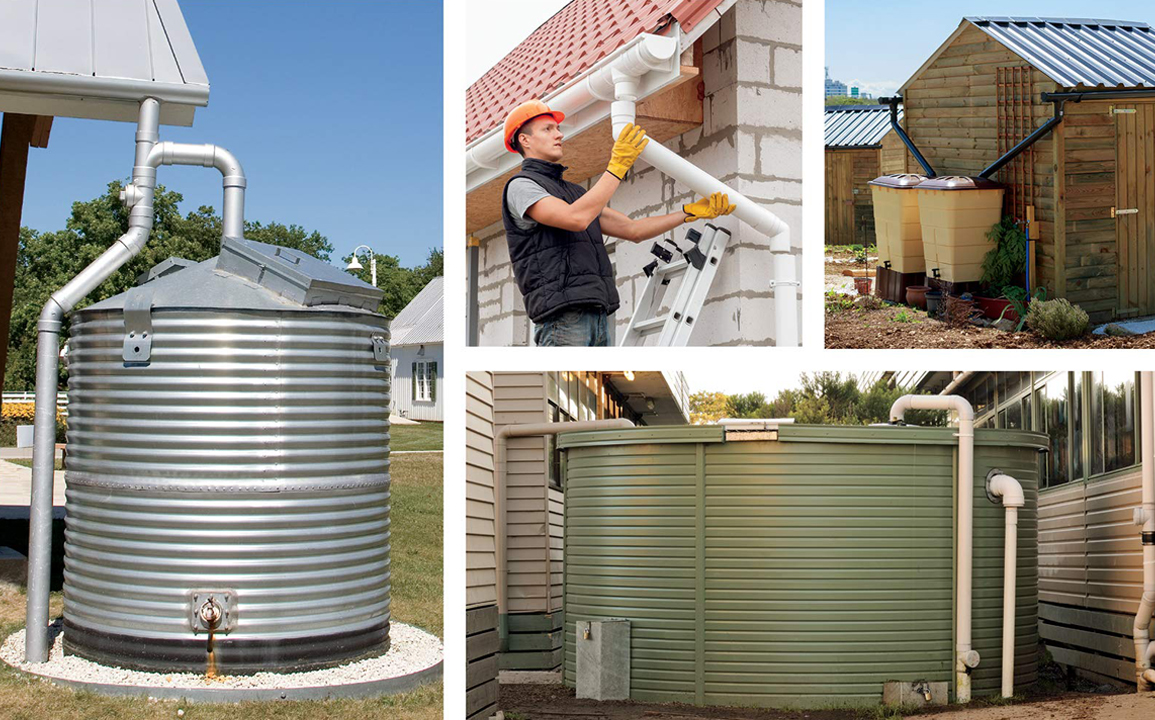
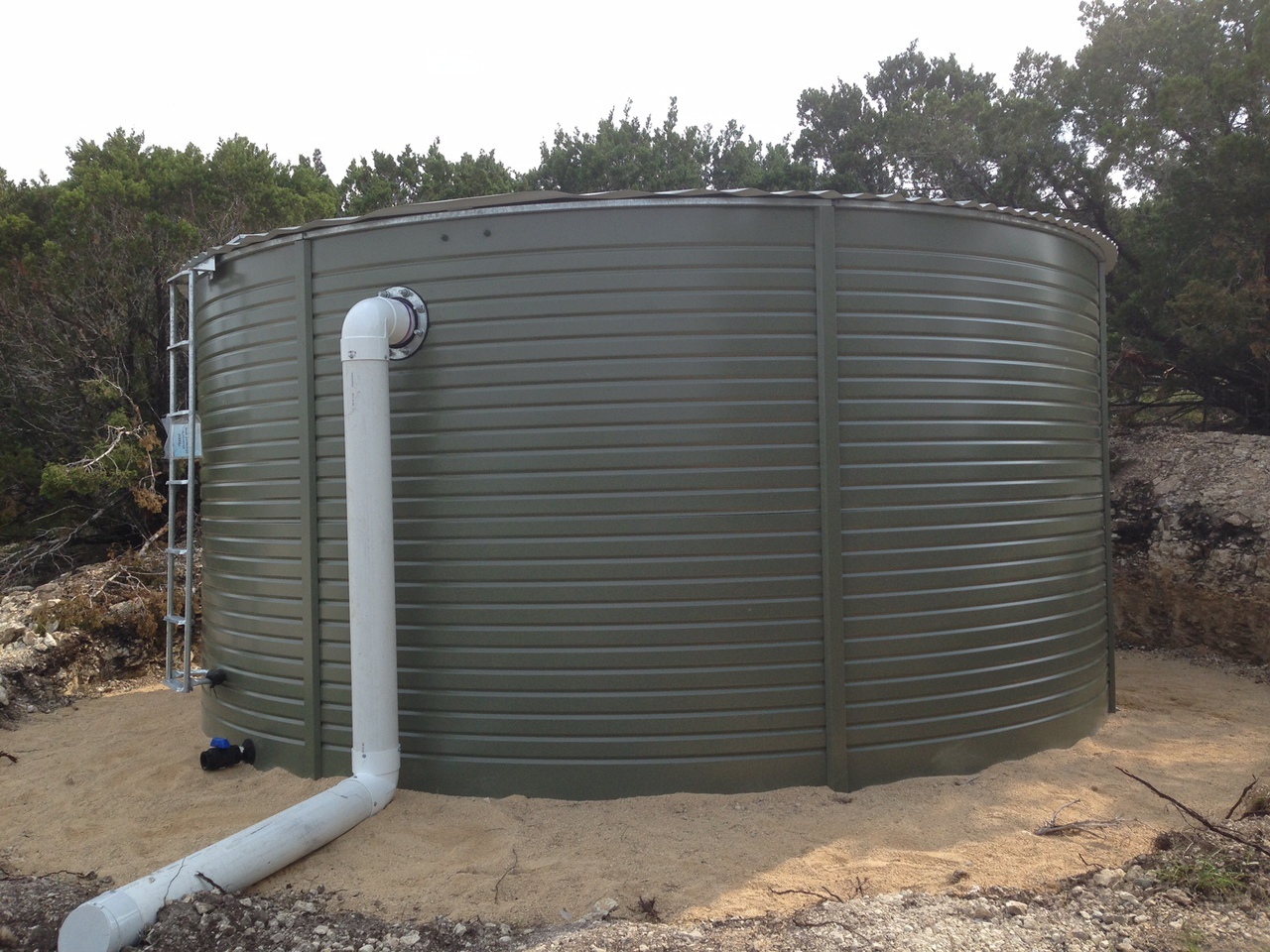
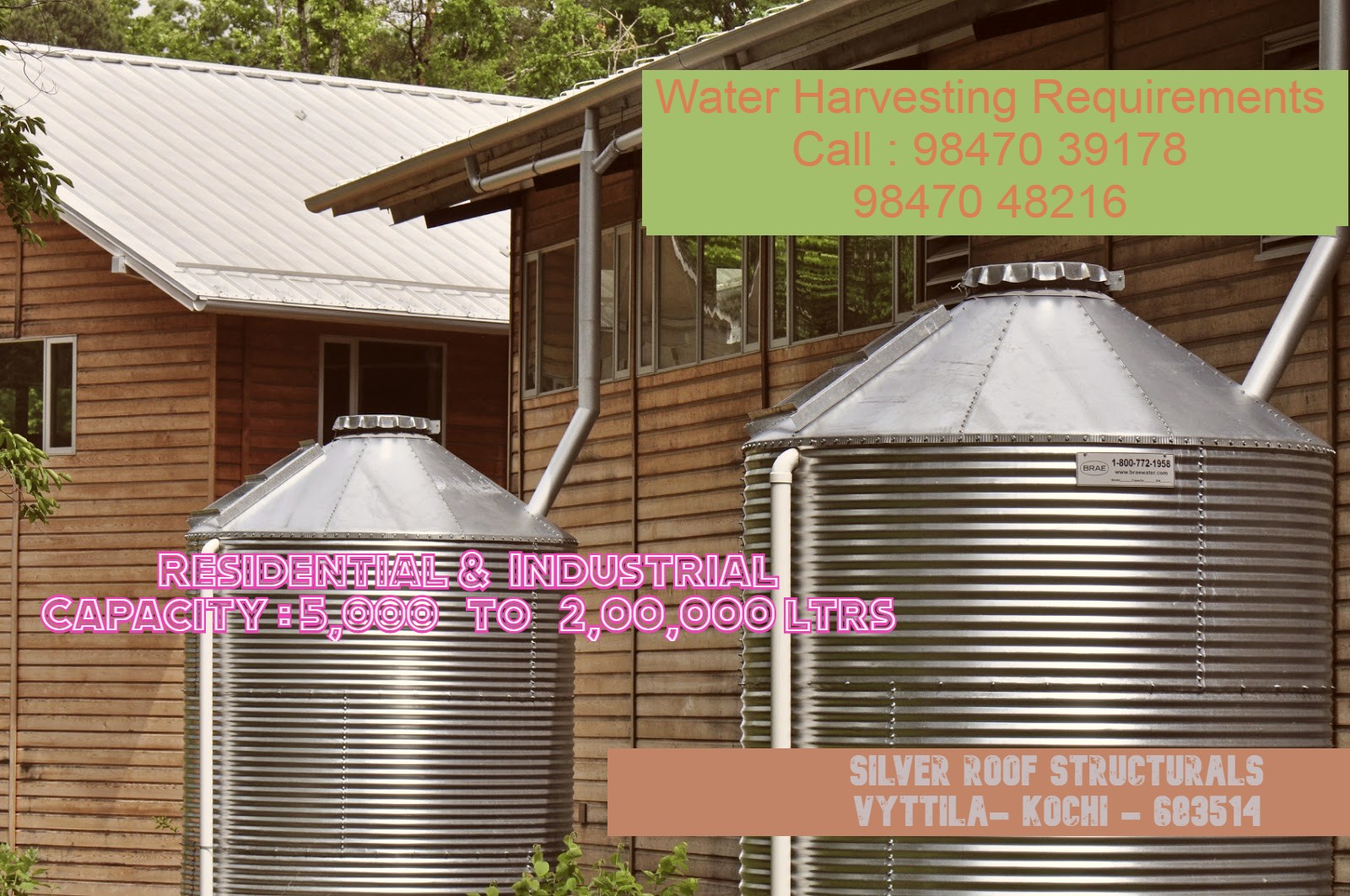
Rainwater harvesting is a technology used to collect, convey and store rain for later use from relatively clean surfaces such as a roof, land surface or rock catchment. The water is generally stored in a rainwater tank or directed to recharge groundwater.
Why rainwater harvesting?
Rainwater is a free source and relatively clean and with proper treatment it can be even used as a potable water source. Rainwater harvesting saves high-quality drinking water sources and relieves the pressure on sewers and the environment by mitigating floods, soil erosions and replenishing groundwater levels.
Application areas
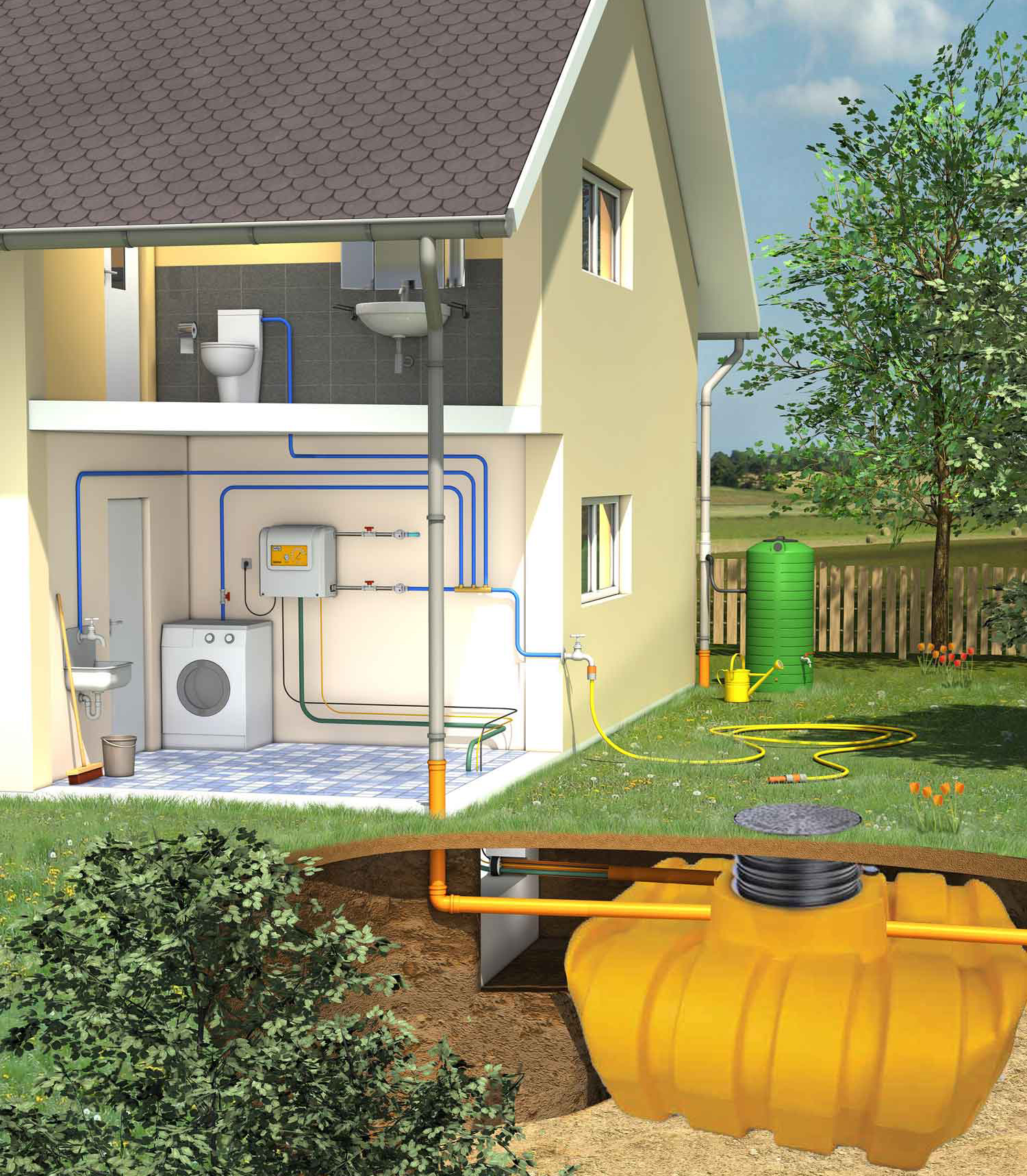
Rainwater harvesting systems can be installed in both new and existing buildings and harvested rainwater used for different applications such as toilet flushing, garden watering, irrigation, cleaning and laundry washing. Harvested rainwater is also used in many parts of the world as a drinking water source. As rainwater is very soft there is also less consumption of washing and cleaning powder.
Components of a rooftop rainwater harvesting system
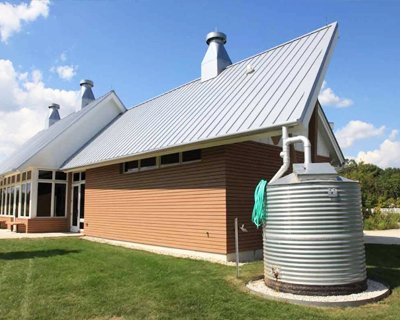
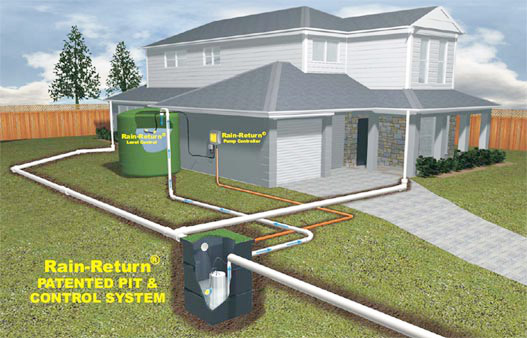
Although rainwater can be harvested from many surfaces, rooftop harvesting systems are most commonly used as the quality of harvested rainwater is usually clean following proper installation and maintenance. The effective roof area and the material used in constructing the roof largely influence the efficiency of collection and the water quality.